
2025 recap - 2026 here we come
Charles Phanumphai • December 15, 2025
Looking Back with Gratitude – and Ahead with Intention
Those conversations weren’t theoretical. They shaped how we served you in a year when Grand County real estate kept everyone on their toes.
________________________________________
State of Real Estate in Grand County
Interest Rates & Buying Power
Mortgage rates finally eased off the 7%+ highs we saw earlier in the cycle. As of late November 2025, the average 30-year fixed mortgage rate is hovering in the low-6% range—about 6.2–6.3% nationally.
That’s still higher than the “good old days” of 3–4%, but lower than 2023–early-2024 peaks. Practically speaking:
• Buyers are getting a bit of breathing room, especially those using government-backed loans.
• Sellers are having to price more realistically and be patient; “list high and wait for the unicorn” isn’t working like it did in 2021.
Days on Market & Pricing
Grand County is no longer the white-hot bidding war environment of the pandemic years—but it’s far from dead.
• Recent data shows median days on market around 100–110 days across Grand County, with some sub-markets (like Granby) right around that 110-day mark.
• Earlier reports in 2024 also showed days to go under contract creeping up versus 2023, confirming a slower, more thoughtful market.
Prices, especially in ski-adjacent areas like Winter Park, Fraser, and Granby, have come off their highs slightly rather than crashing—some regional outlooks suggest 5–10% softening in drive-to ski towns like Winter Park as the broader Denver market cooled.
Translation:
• Buyers: you now have more time and more leverage to negotiate.
• Sellers: strategy and presentation matter more than ever—pricing, staging, rent-then-sell strategies, and timing around ski season all count.
________________________________________
Rental Market: Supply, Demand, and Shifting STR Economics
All year, our blogs have highlighted a key theme: rental supply has increased faster than demand, both for properties for sale and for rent. That’s especially true now that:
• More homes have come onto the market as owners test selling prices.
• STR permit costs and regulations have increased in certain towns, nudging some owners to convert from nightly to seasonal or long-term. In Grand Lake, for example, the annual STR license fees jumped meaningfully in 2025 depending on occupancy tier.
On the rental side:
• Average long-term and seasonal rents in the Fraser/Winter Park area remain strong but not runaway. Recent data puts average rent in Fraser near $3,000/month across all property types, with 1-bedrooms in the mid-$1,600s and 3-bedrooms in the mid-to-upper $3,000s.
• On the STR side, top-performing properties still do very well; strong Fraser listings can see median daily rates around $300 with the top tier commanding much higher.
With more options on the market, both renters and buyers can afford to be choosier. For owners, that means:
• Sharp pricing
• Clean, well-maintained homes
• Flexible strategies (winter seasonal, mid-term, or long-term) are what separate the properties that sit from the ones that stay occupied.
________________________________________
Looking Ahead: 2025–2026 Winter Season
Early data from ski markets across the West shows occupancy pacing ahead of last year, with some reports calling out 6–13% higher bookings during key holiday periods like Christmas and New Year’s.
What does that mean locally?
For homeowners:
• Expect solid winter demand, especially for well-located, well-priced properties near Winter Park and Granby Ranch.
• Seasonal and mid-term rentals will remain attractive to families who want to “live the ski town life” for 3–6 months without committing to buying.
• STR owners will continue to feel the squeeze of higher costs and regulations, making professional management and smart pricing even more important.
For renters:
• You’ll see more options than a few years ago, but the best-located, best-priced units still move quickly—especially 2–3 bedroom places that work well for families or roommate groups.
• Budget realistically: winter in a ski town will always carry a premium, but we’re no longer in the “whatever price you ask” era.
________________________________________
Snow Capped in 2025: Growth, Vertical Integration, and Full-Cycle Service
From the Snow Capped side, 2025 was a year of quiet but meaningful growth.
• We’re on track to hit our goal of 120 doors under management in 2026 with our current team size.
• In 2025, we successfully stepped more deeply into the transactional side of real estate, closing 7 sales this year with another 5–6 properties already lining up for Spring 2026 listings.
• Thanks to the internal network between homeowners, tenants, local partners, and word-of-mouth referrals, we now truly operate as a full-cycle real estate partner:
o Help you purchase
o Launch and manage the rental
o Maintain and improve the property
o Sell and reposition when the time is right
o …and then we rinse and repeat—with a constant eye on that three-way win between homeowner, tenant, and the Snow Capped team.
Everything we wrote about this year—converting STRs to seasonal rentals, navigating higher STR fees, rent-then-sell strategies, and market education—was grounded in this mission: helping you make smart, sustainable decisions in a market that refuses to sit still.
________________________________________
2026: Staying Nimble, Learning from the Past, Leaning into Opportunity
If there’s one thing we know after 25 years in and around this market, it’s that the next year will surprise us.
Our mindset for 2026:
• Stay nimble. We’ll continue to adjust between STR, seasonal, and long-term based on what the market (and your property) is telling us.
• Flow with the waves of opportunity. When demand shifts—by price point, neighborhood, or rental type—we’ll pivot with it instead of fighting the tide.
• Apply the lessons of the past 25 years. We can’t eliminate every pitfall, but we can recognize patterns, avoid the obvious traps, and stay ahead of changes in regulations, fees, and demand.
• Remain cautiously optimistic. 2025 gave us the chance to grow into the transactional side of real estate and build out true vertical integration. We believe 2026 will bring more chances to grow and thrive—smartly, sustainably, and together.
________________________________________
A Three-Way Win, Always
As we close out 2025, our compass hasn’t changed: Create a three-way win where homeowners feel supported and profitable, renters feel respected and well-housed, and our Snow Capped team can build a healthy, enduring local business.
To everyone who trusted us this year—as a homeowner, tenant, partner, or neighbor—thank you.
Cheers to 2025, and here’s to whatever 2026 brings. We’ll be ready.
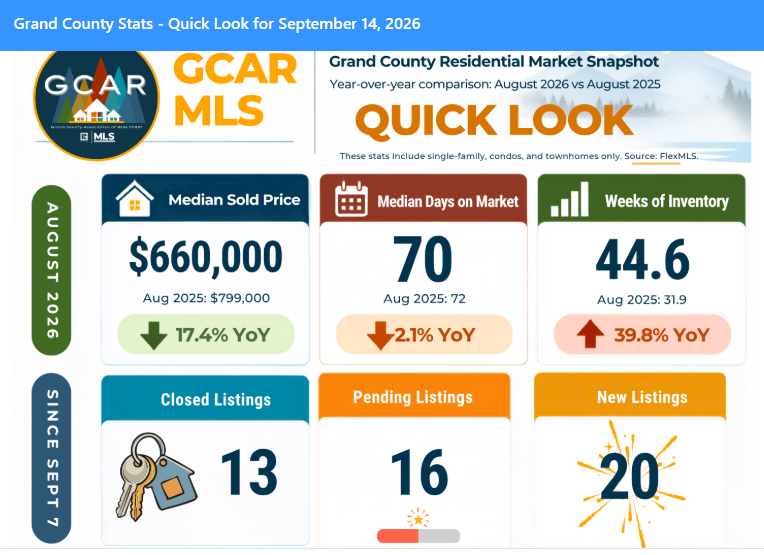
🏔️ Do you own an investment property in Grand County?
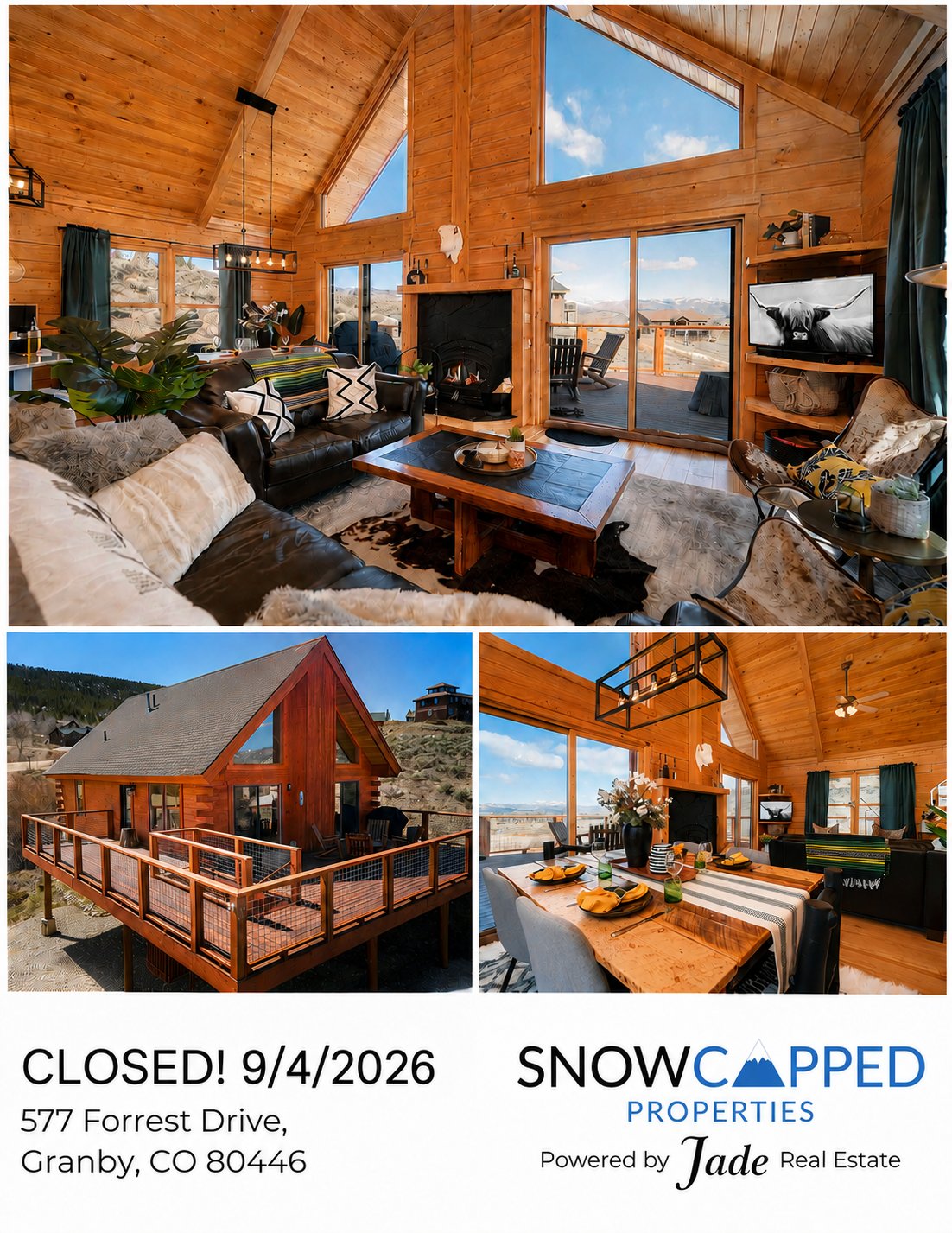
Today’s closing was a great reminder that the answer sometimes goes well beyond the transaction itself
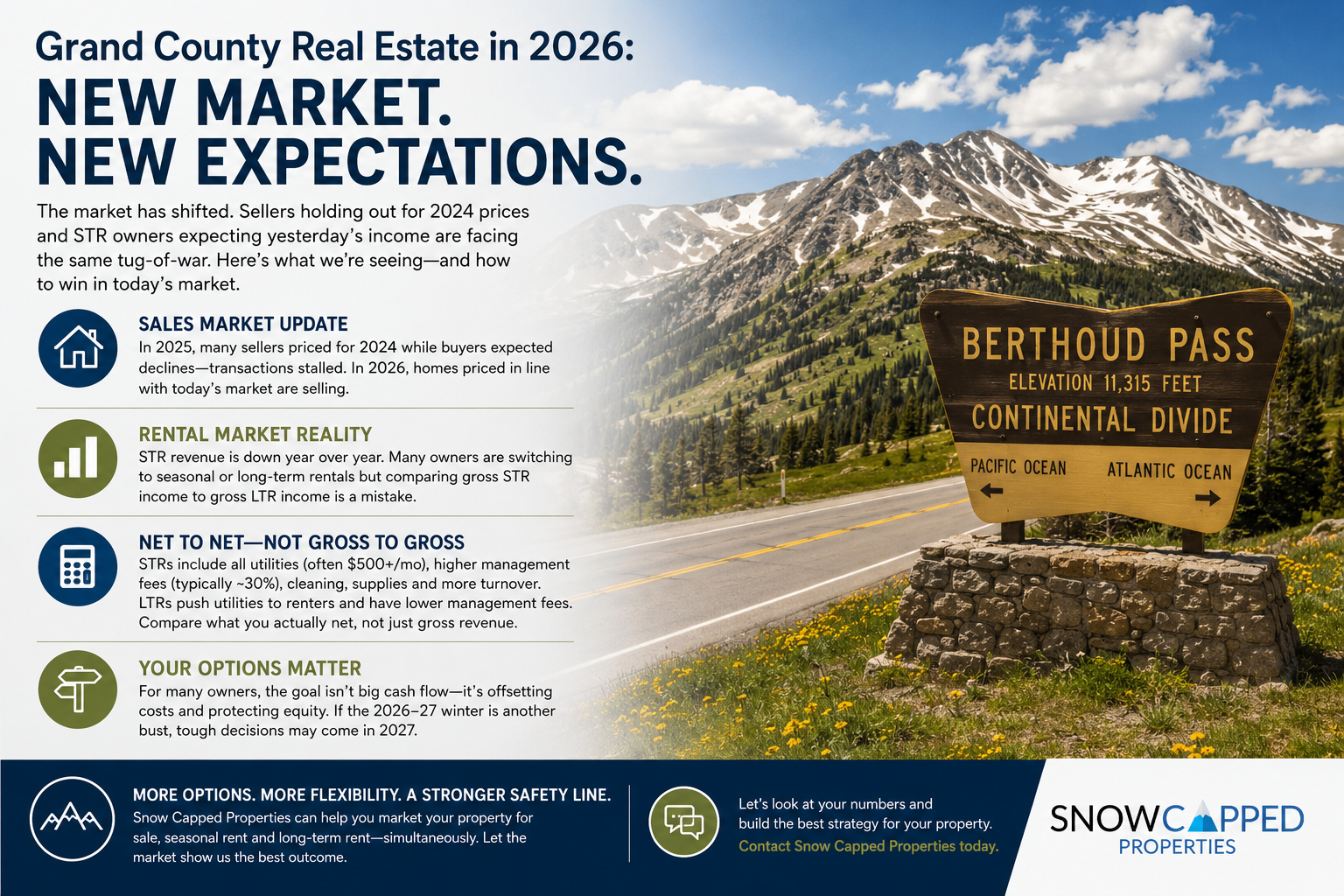
Grand County's real estate market has shifted, and we're seeing an interesting parallel between homeowners trying to sell and those reconsidering short-term rentals.
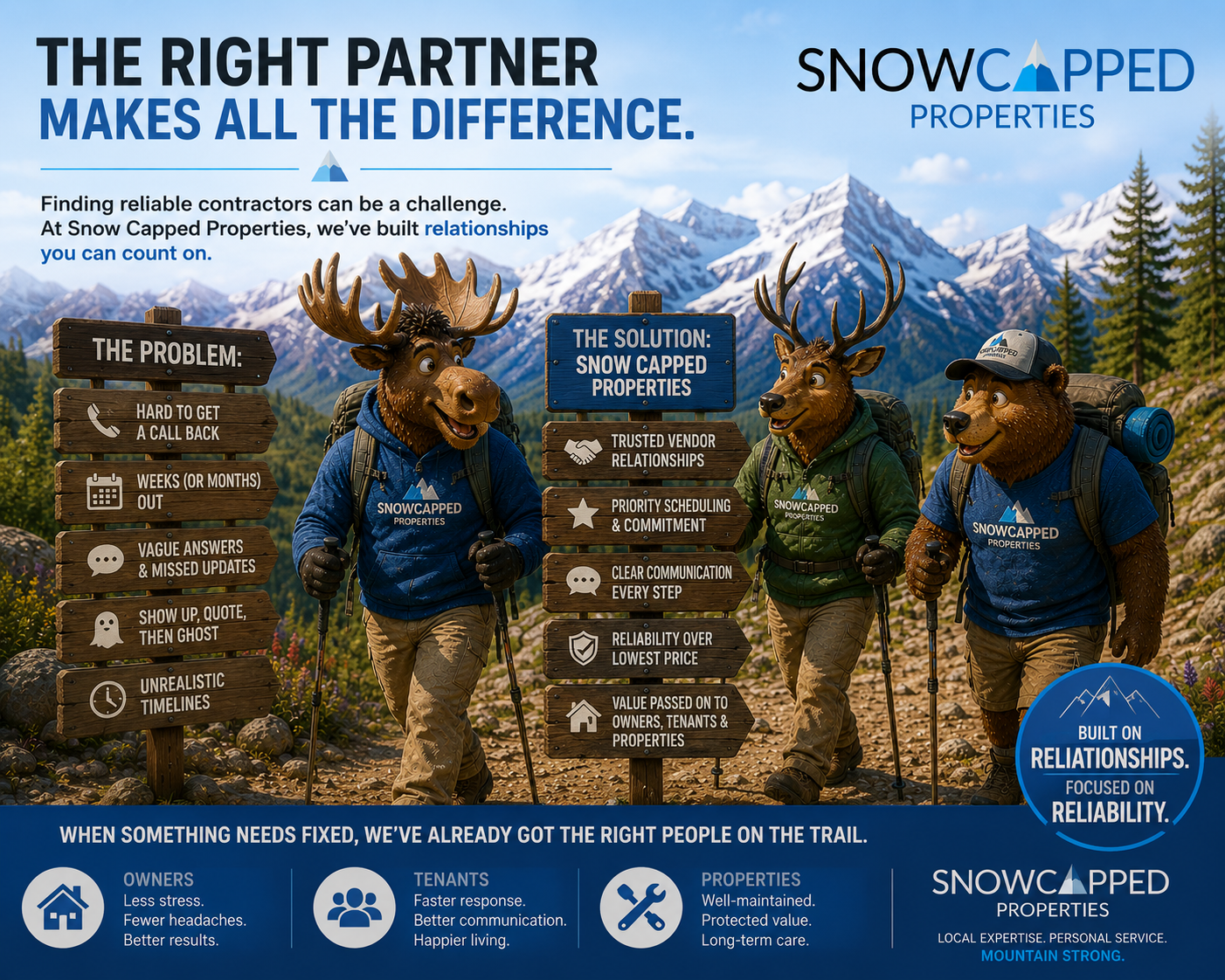
The Right Partner Makes All The Difference
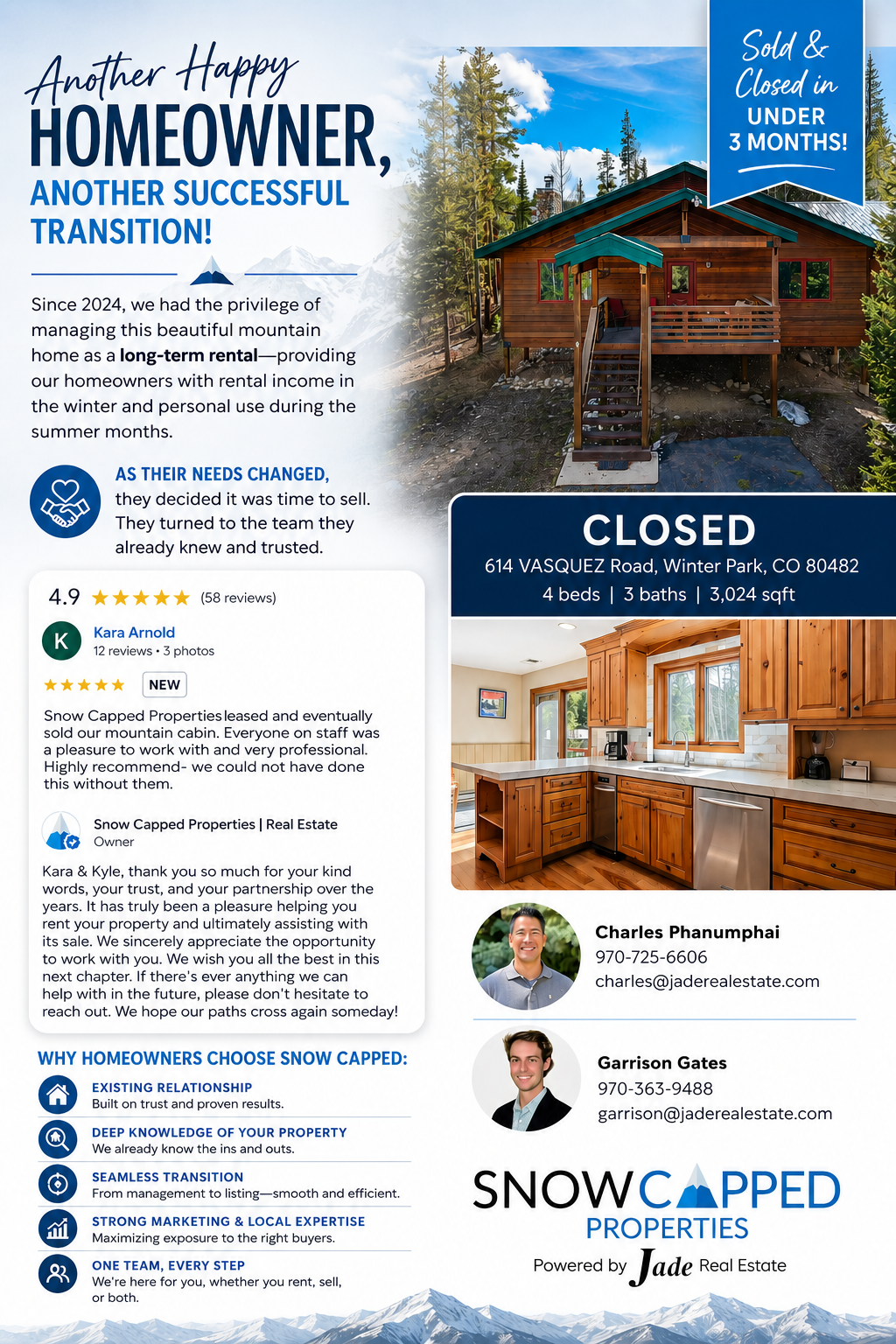
Another Happy Homeowner
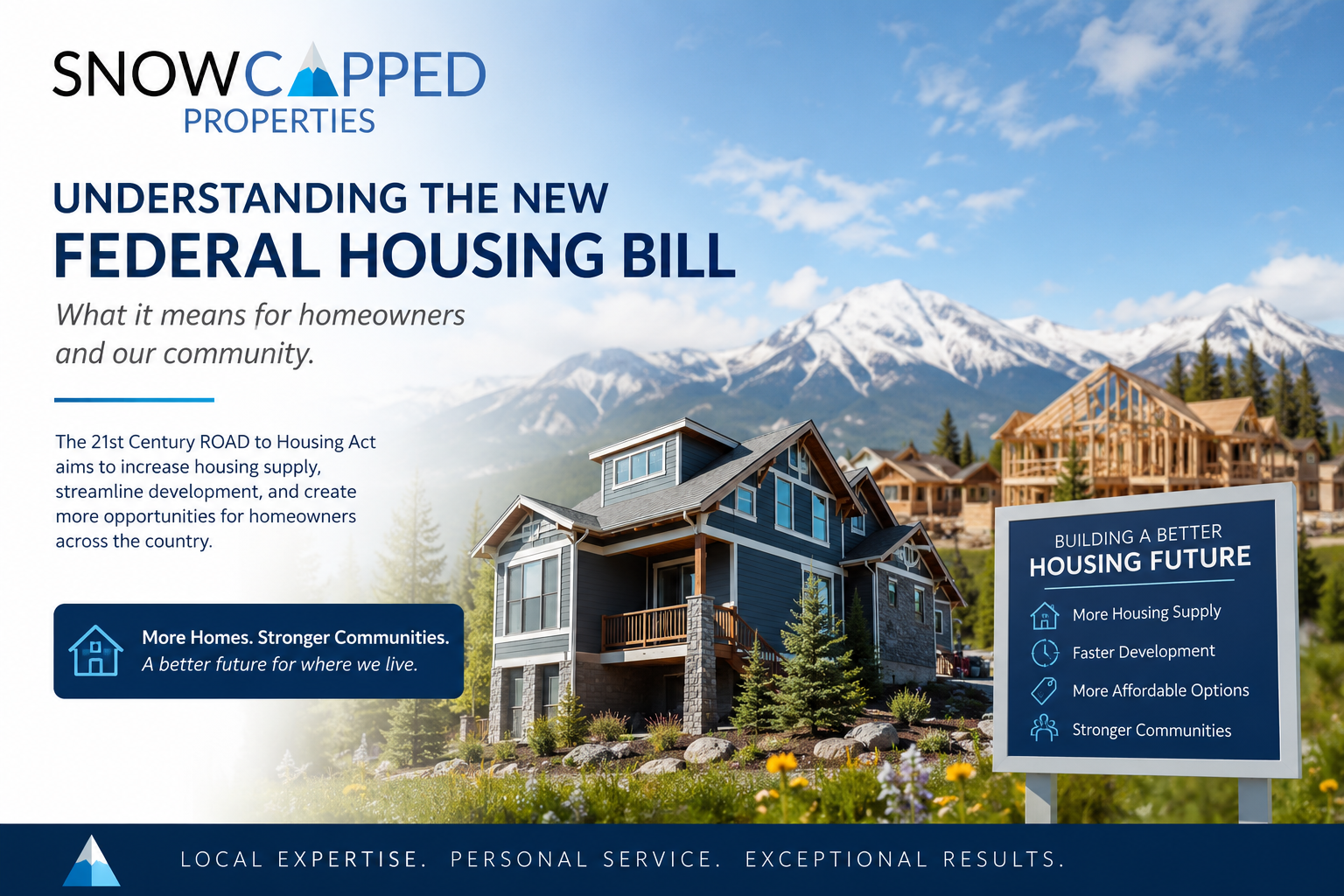
What the New Federal Housing Bill Could Mean for Homeowners
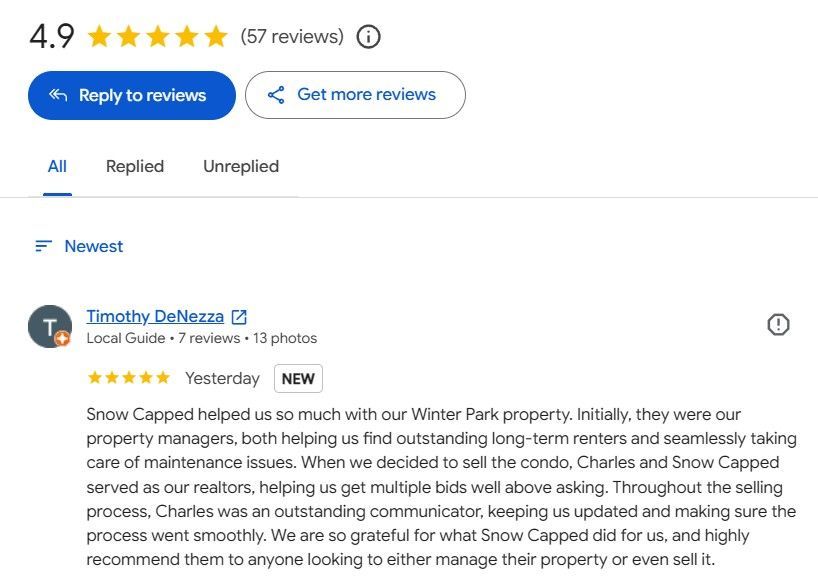
All Under One Roof
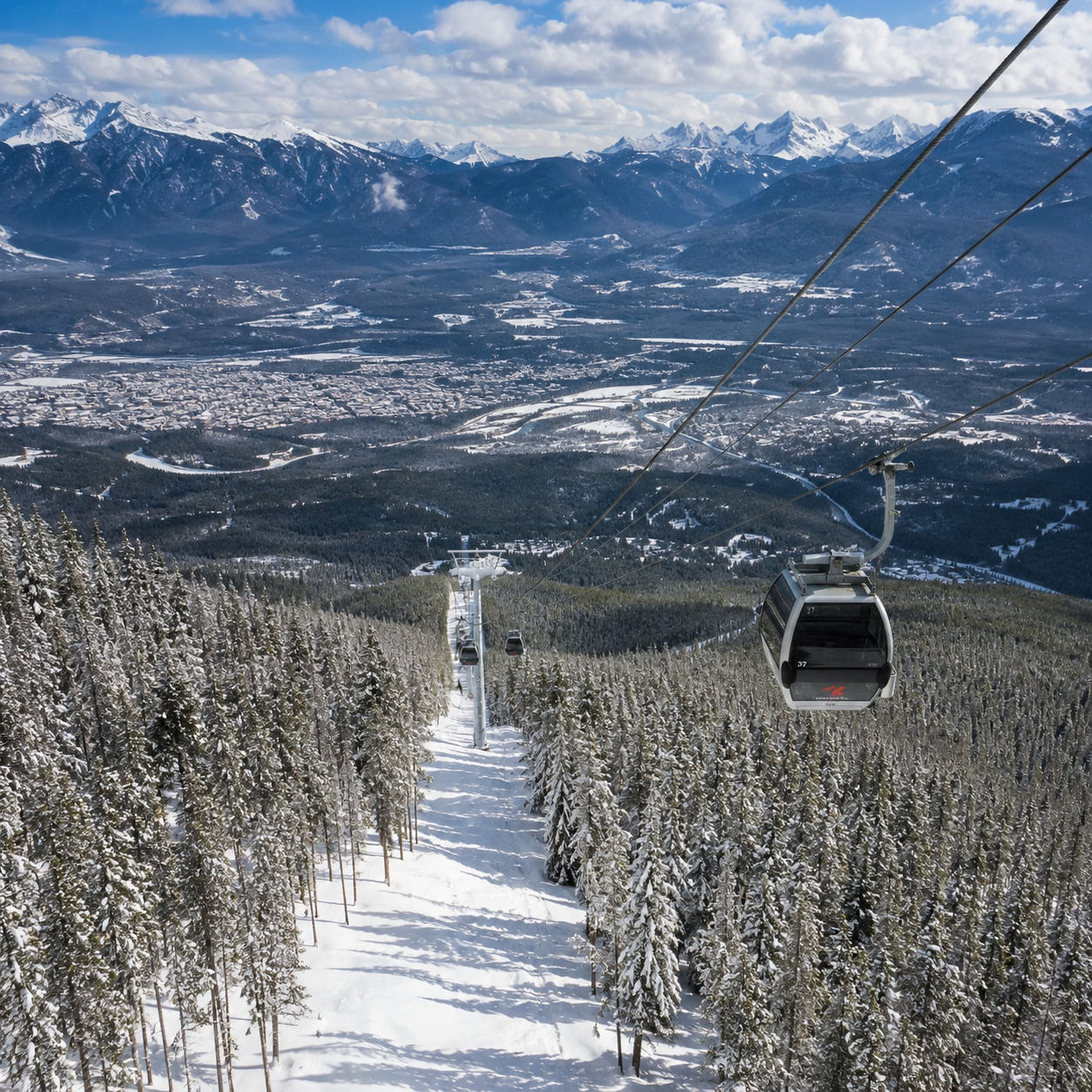
Winter Park's aerial transit system is moving through a serious planning process, and if you're renting, buying, or owning property here, it's worth understanding where things stand. Locals have heard this before. The town's own website calls this vision three decades in the making, and most of us have watched it surface and disappear more than once. What's different now is the structure: a rezoned base area, a $2 billion master plan, Alterra on record financing the gondola, and for the first time, specific design concepts in front of Town Council.

Not Ready to Sell? Renting Could Be the Perfect Next Step.
Our Winter Seasonal Rental inventory is now available