
How Global Events Could Impact the Grand County Housing
Charles Phanumphai • March 4, 2026
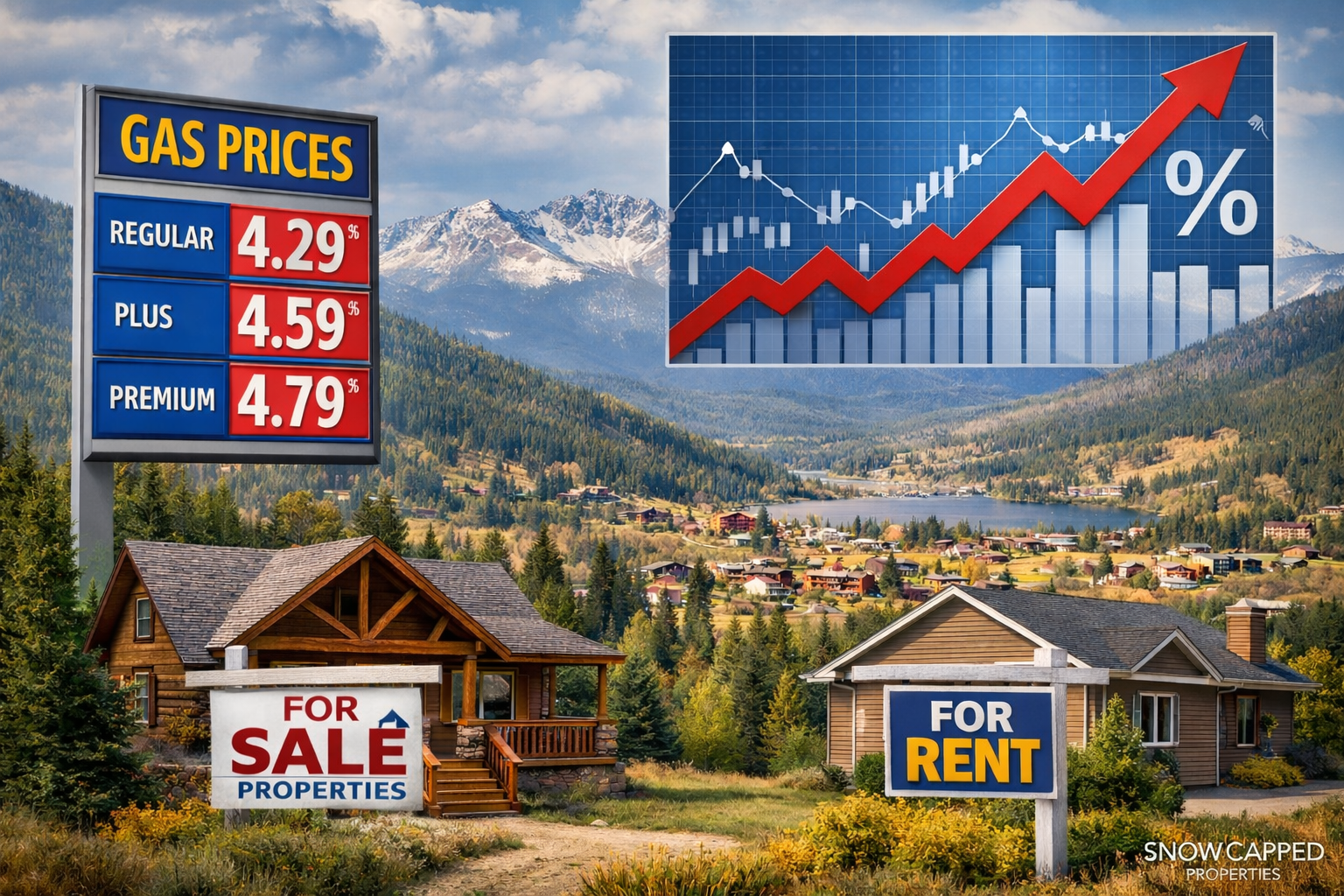
While events happening thousands of miles away may seem disconnected from a mountain community like Grand County, global economic shifts can still influence the local real estate market through interest rates, buyer confidence, and travel patterns.
Below is a look at what buyers, sellers, and property owners in communities like Winter Park, Fraser, Granby, and Grand Lake should be watching in the months ahead.
Mortgage Rates and Buyer Activity
One of the biggest economic connections between global conflict and the housing market is inflation and interest rates.
When oil prices rise, transportation and production costs increase across the economy. That often leads to higher inflation. In response, financial markets may push Treasury yields higher, which can ultimately increase mortgage rates.
For buyers, even a 0.5% increase in mortgage rates can significantly impact purchasing power. That doesn’t necessarily stop transactions, but it can slow the pace of the market. Buyers tend to take more time evaluating properties and comparing options before making offers.
For sellers, this can translate into longer days on market and slightly more price sensitivity from buyers.
Buyer Confidence During Economic Uncertainty
Periods of geopolitical uncertainty tend to create a more cautious buyer mindset.
Buyers may delay purchasing decisions while waiting to see how markets react, especially if there are concerns about inflation, interest rates, or economic growth. However, resort markets like Grand County behave somewhat differently from traditional housing markets.
Many buyers here are motivated by lifestyle goals, second-home ownership, or long-term investment potential rather than immediate necessity. That means demand rarely disappears completely—it simply becomes more selective.
Buyers still want the mountain lifestyle; they just tend to move more carefully when uncertainty rises.
Impact on the Rental Market
Interestingly, rising mortgage rates and economic uncertainty can actually strengthen parts of the rental market.
When borrowing costs increase, some potential buyers decide to wait before purchasing a home. As a result, more people remain renters longer, increasing demand for long-term rental housing.
This is particularly relevant in Grand County, where workforce housing has been tight for years. More renters competing for limited inventory can help stabilize rental pricing and occupancy rates.
For property owners, this creates a strategic opportunity. Instead of selling during a period of uncertainty, some owners may choose to hold their property and generate rental income until the market strengthens again.
There may also be a small impact on short-term rentals if travel costs increase due to higher gas prices. However, Grand County historically benefits from drive-to tourism from the Front Range, which tends to remain relatively stable compared to fly-to resort destinations that depend heavily on airfare.
Overall, rental demand—especially long-term and seasonal rentals—remains one of the most stable segments of the mountain housing market.
Current Grand County Market Snapshot (Spring 2026)
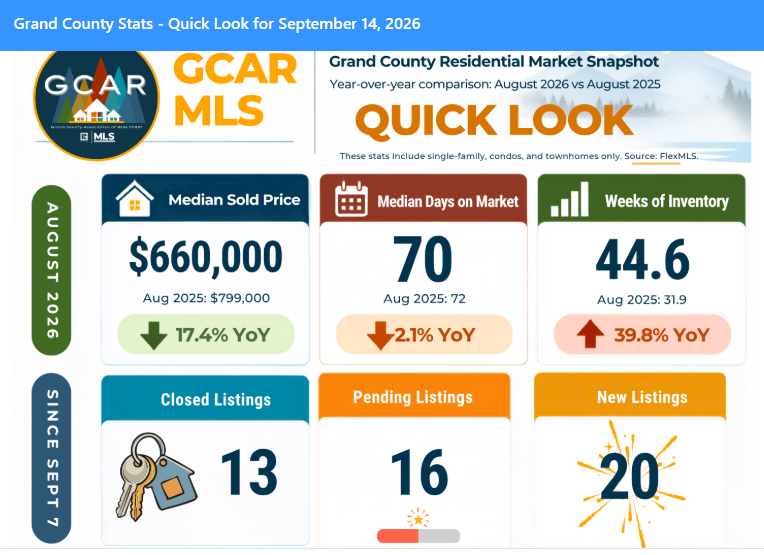
While national headlines focus on interest rates and global events, it is important to remember that local market fundamentals still drive most real estate activity.
Several trends are shaping the Grand County market this spring:
1. Condos and entry-level properties continue to move. Smaller properties—especially condos under $700K—are still attracting strong interest from first-time mountain buyers and investors.
2. Higher-end homes take longer to sell. Luxury properties over $1.5M are still selling, but buyers are more selective and typically take longer to make decisions.
3. Inventory has improved slightly. More listings are coming online compared to the extremely tight supply we saw during the pandemic years. That gives buyers more choices and reduces the urgency seen in previous markets.
4. Days on market have increased modestly. Properties are taking longer to sell compared to the fast-moving 2020–2022 market cycle, but well-priced homes still move.
Overall, the market is transitioning from a hyper-competitive seller’s market to a more balanced environment, which can actually benefit both buyers and sellers when expectations are aligned.
Why Long-Term Rentals Are Growing in Grand County
Another major trend worth watching is the growth of long-term and seasonal rentals across the county.
Several factors are driving this shift:
Short-Term Rental Regulations: Many mountain towns have implemented stricter rules and permit limits for short-term rentals. Some homeowners are exploring long-term leasing as a more predictable and stable alternative.
Workforce Housing Shortage: Local businesses continue to struggle to find housing for employees. This has created strong demand for year-round rental properties, particularly in areas close to employment centers.
Stable Cash Flow for Owners: Long-term rentals may not generate the same peak revenue as short-term rentals during busy tourist seasons, but they offer consistent monthly income and lower management volatility.
For homeowners who are not using their property full-time, renting long-term can provide a way to offset carrying costs while maintaining long-term appreciation potential.
How Long Could Economic Impacts Last?
Historically, geopolitical shocks tend to affect markets most during the initial weeks and months after the event, when investors and consumers are adjusting to new information.
Unless a conflict significantly disrupts global oil supply or triggers a broader economic slowdown, markets often stabilize relatively quickly.
Real estate, especially in lifestyle destinations, tends to move at a slower pace than financial markets. That means the local housing market often experiences short-term sentiment shifts rather than dramatic structural changes.
The Bottom Line
While global conflicts and rising gas prices can create short-term economic uncertainty, the fundamentals of the Grand County housing market remain strong.
Limited housing supply, strong lifestyle demand, and continued interest in mountain communities continue to support both real estate values and rental demand.
For homeowners, buyers, and investors, the key is understanding how to navigate changing market conditions.
At Snow Capped Properties, we help clients throughout Grand County evaluate their options—whether that means buying, selling, or generating rental income while holding property for long-term appreciation.

🎉 JUST CLOSED: A Rental Strategy That Kept Things Moving!

🏔️ Fresh Ideas, New Opportunities, and a Clear Path Forward in Grand County!
🏔️ Do you own an investment property in Grand County?
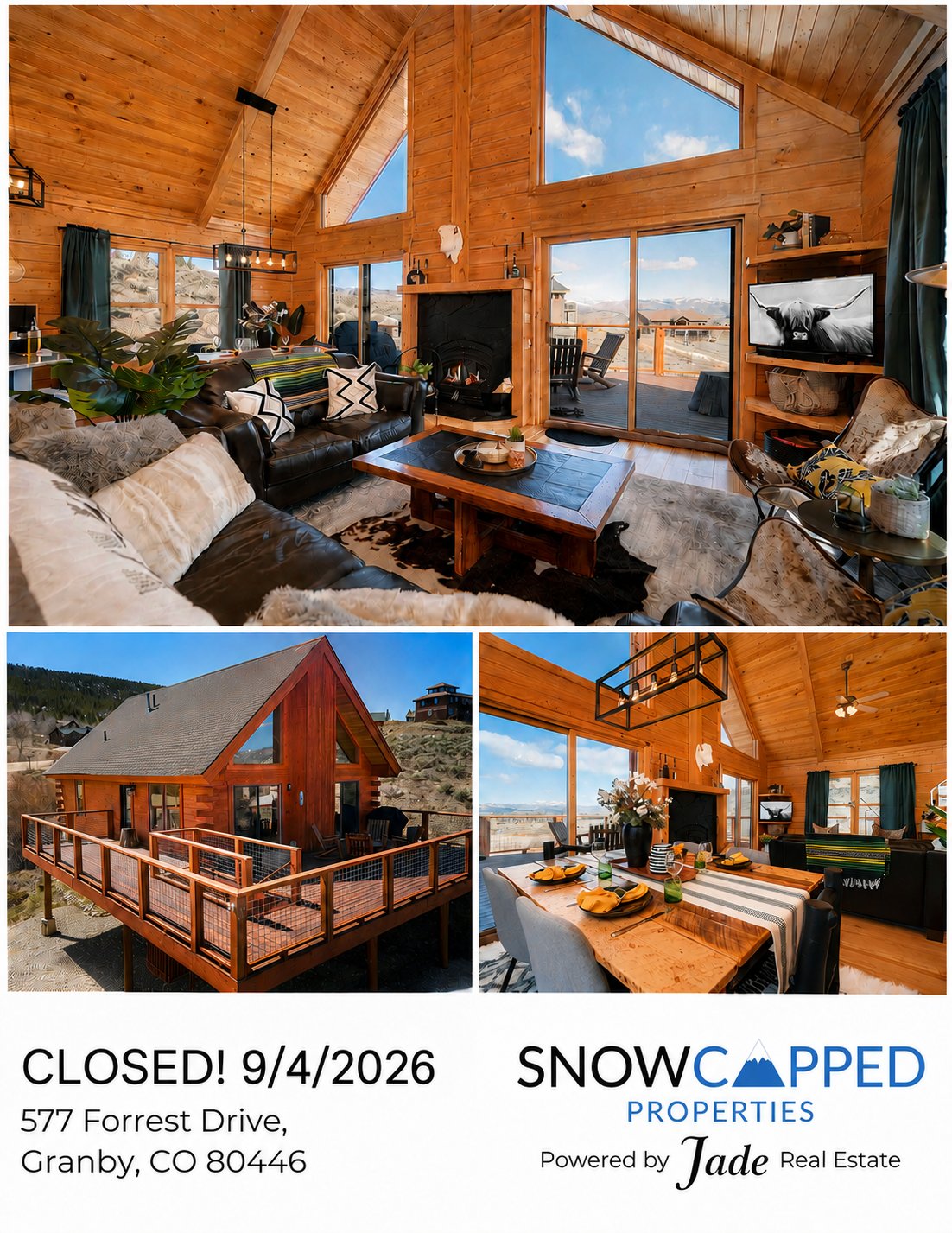
Today’s closing was a great reminder that the answer sometimes goes well beyond the transaction itself

Grand County's real estate market has shifted, and we're seeing an interesting parallel between homeowners trying to sell and those reconsidering short-term rentals.

The Right Partner Makes All The Difference
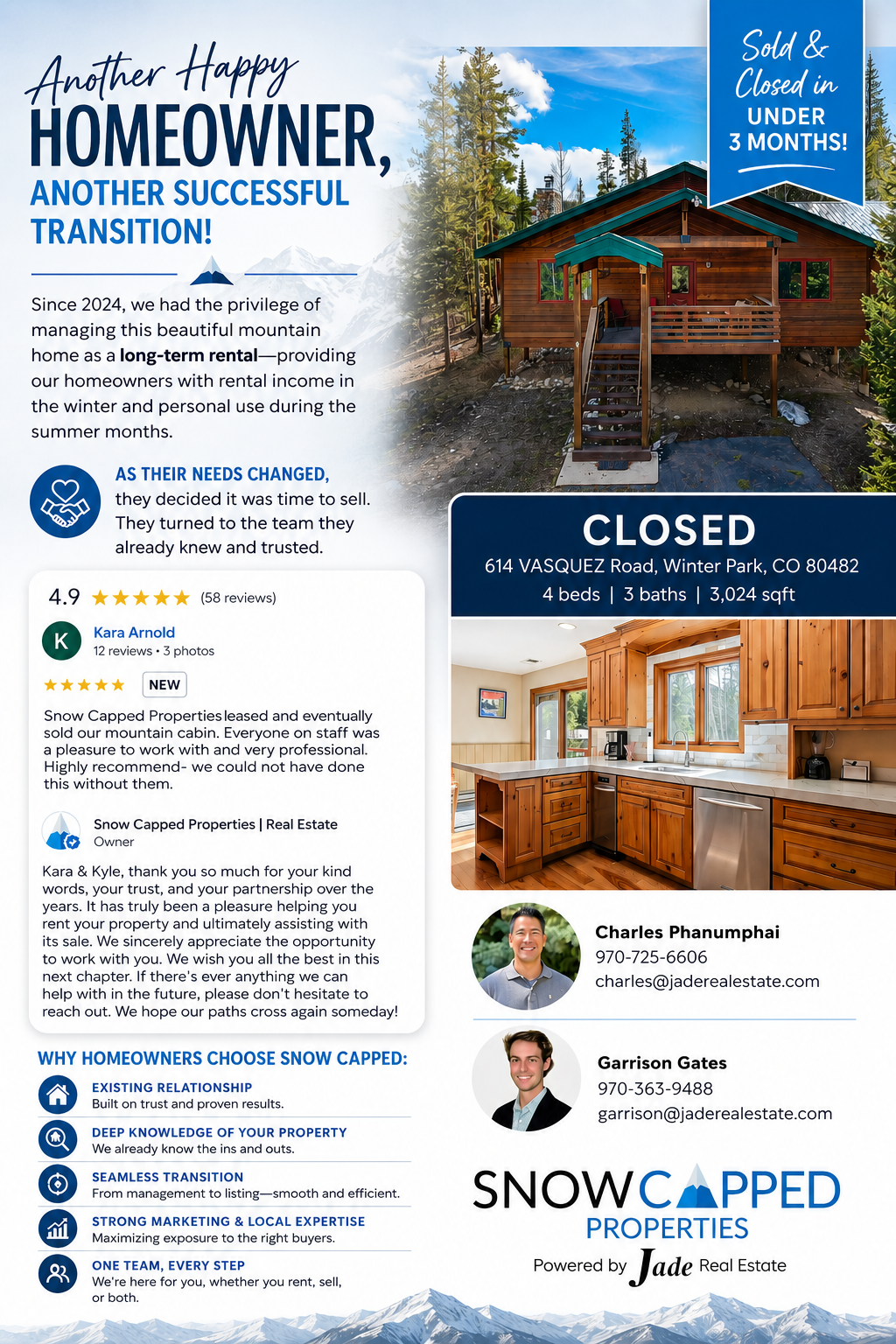
Another Happy Homeowner

What the New Federal Housing Bill Could Mean for Homeowners
All Under One Roof
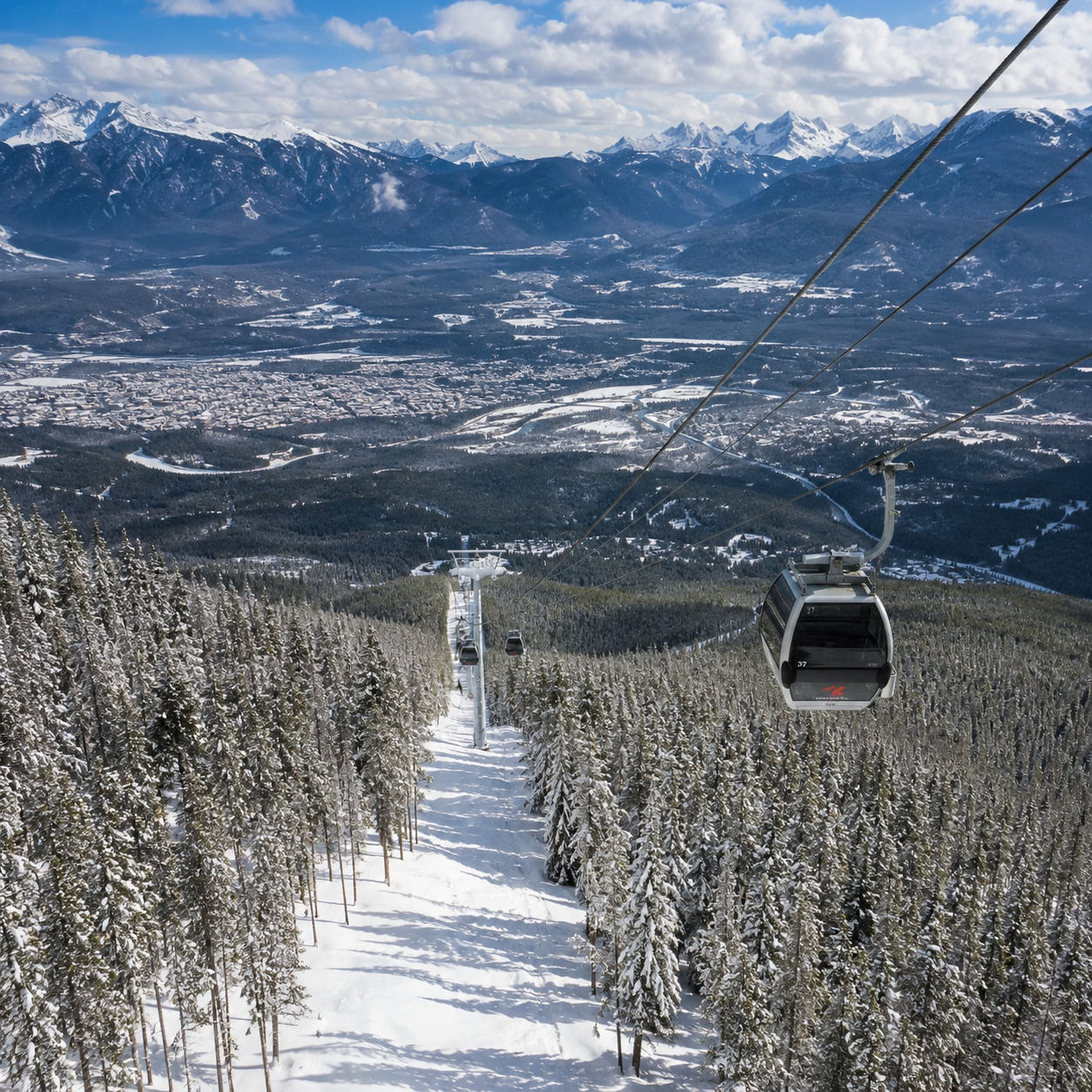
Winter Park's aerial transit system is moving through a serious planning process, and if you're renting, buying, or owning property here, it's worth understanding where things stand. Locals have heard this before. The town's own website calls this vision three decades in the making, and most of us have watched it surface and disappear more than once. What's different now is the structure: a rezoned base area, a $2 billion master plan, Alterra on record financing the gondola, and for the first time, specific design concepts in front of Town Council.